
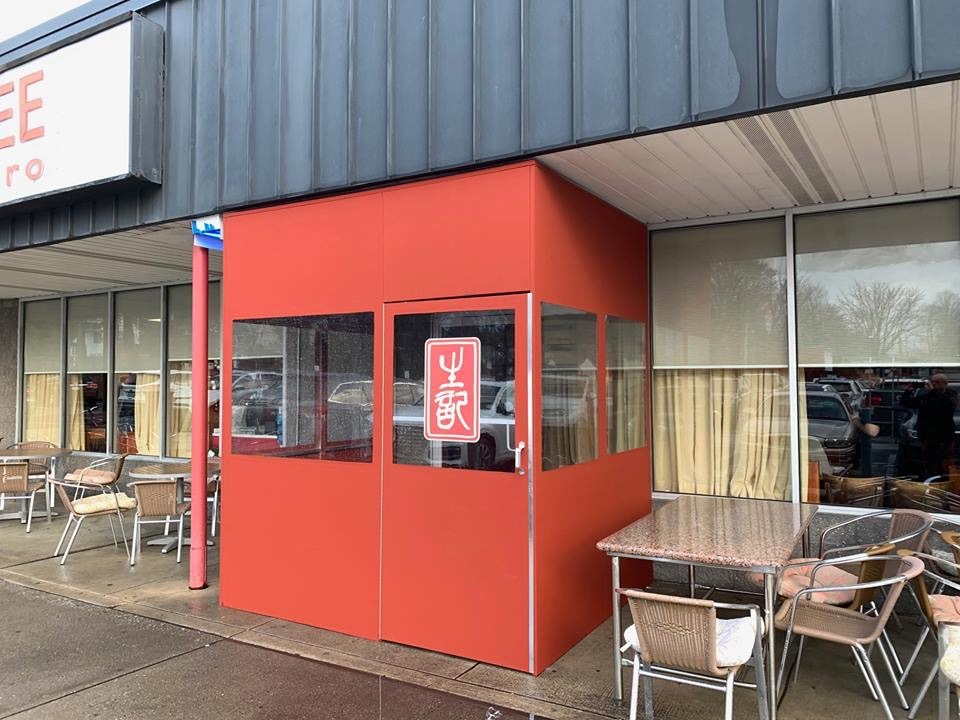
Winter vestibules in New York help solve that problem. These temporary setups from New York City Signs & Awnings give your space a simple way to block out drafts and protect the customer experience. They also help staff stay focused and keep energy costs from climbing during the colder months.
Here are the real ways a cold restaurant entrance can hurt your bottom line and how a winter vestibule helps stop the damage.
Key Takeaways
- A cold restaurant entrance doesn’t just annoy guests, it quietly eats into your profits in ways most owners overlook.
- Temporary vestibules help protect your staff, ambiance, and high-margin seating areas during the peak winter months.
- Blocking the draft at the door can boost repeat visits, increase check sizes, and reduce bad reviews without a full renovation.
Guests Leave Without Ordering Dessert
A chilly entrance can break the flow of a great meal. Guests who feel a draft often rush through dinner just to escape the cold. Dessert becomes an afterthought instead of a treat.
Warm, welcoming spaces make people want to stay longer. Guests are more likely to order an extra course when they feel relaxed. A steady indoor temperature helps create that inviting atmosphere.
Winter vestibules offer a smart fix for this common problem. These seasonal structures block the cold before it reaches your dining room. Guests stay comfortable, which means they stay longer and spend more.
Window Seats Turn Into Dead Zones
Window seats should be the best in the house, but cold air can make them empty and uninviting. Guests avoid those spots when they feel a chill every time the door opens. That means beautiful tables sit unused while other areas stay crowded.
Restaurants lose easy revenue when prime seating goes cold. A winter vestibule helps keep the front of the house warm so every table feels just as comfortable. Winter vestibules in New York City have become a smart way to protect both the guest experience and nightly earnings.
Is A Cold Entrance Hurting My Restaurant’s Reviews?
Yes, a chilly welcome can leave a lasting bad impression. Guests often comment on how they felt walking in before they talk about the meal. First moments matter, and a warm entrance helps set a better tone right away.
Cold air near the door can lead to complaints that show up in public reviews. A winter vestibule helps stop that issue before it starts. Comfortable guests are more likely to leave positive feedback and return again.
Looking for an easy way to protect your restaurant’s ratings? Invest in one of the winter vestibules offered by New York City Signs & Awnings.
Ambiance Falls Apart Every Time The Door Opens
A great dining experience depends on more than just good food. Sudden drafts at the entrance break the mood and distract guests from the atmosphere you’ve worked hard to build.
Heat Loss Disrupts Temperature Zones
When cold air enters, it doesn’t just chill the doorway. It pushes warm air toward the ceiling and causes uneven temperatures across the space. That shift makes some areas feel drafty while others get overheated, leading to discomfort and complaints.
Staff Adjustments Undermine Consistency
Servers often have to close curtains, shift guests, or change table assignments when the front of the house gets too cold. These adjustments disrupt the flow of service and make operations feel reactive rather than polished. Over time, minor disruptions like this can make the experience feel less smooth and professional.
Energy Systems Work Against Themselves
Constant door drafts force your heating system to overcompensate. Thermostats react to cold bursts and create wide temperature swings that strain equipment. Winter vestibules in New York City help stabilize the indoor climate, making your systems more efficient and your space more pleasant.
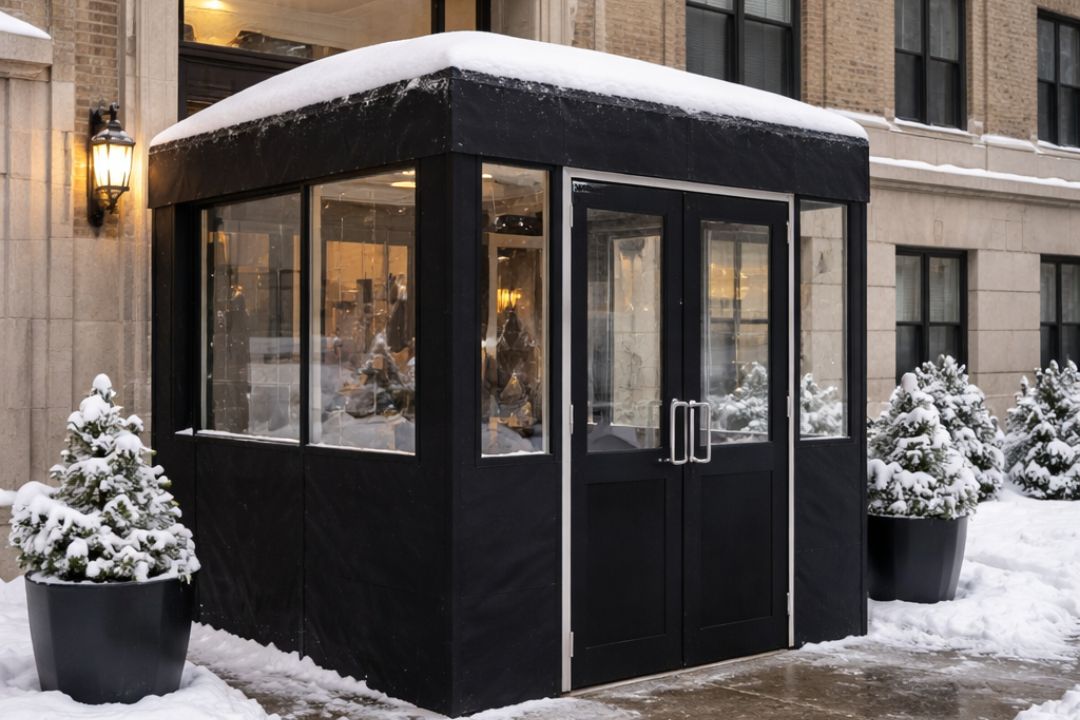
Peak Hours Become More Stressful
The dinner rush is already a balancing act. When cold air slips in every time someone walks through the door, it throws things off more than you might think. Guests feel it right away, and staff pick up the pace to make up for the discomfort.
That kind of tension spreads quickly across the floor. A winter vestibule creates a quiet barrier that maintains a steady indoor environment. With fewer distractions at the front, your team can stay focused, and your guests stay settled.
Walk-By Traffic Doesn’t Walk In
Cold weather changes how people choose where to eat. If the entrance looks uncomfortable, many will skip it without a second thought. Plenty of options nearby means there’s little reason to take a chance on a space that feels unwelcoming.
A winter vestibule gives passersby a clear signal of warmth and comfort. Guests are more likely to step inside when the entry feels protected and inviting. Small design choices can pull in more people before a menu is even seen.
Stop Losing Guests at the Door With Winter Vestibules in New York
Cold air might seem like a minor issue, but it hits your bottom line harder than you think. From lost sales to bad reviews, the impact adds up fast when your entrance isn’t winter-ready. New York City Signs & Awnings offers temporary vestibules that help you protect your space, your staff, and your revenue all season.
Frequently Asked Questions
How does a cold entrance affect restaurant profits?
Cold air near the door makes guests uncomfortable, which shortens visits and lowers average check sizes. It also discourages walk-ins and return customers, leading to slower sales over time.
What are the benefits of using a temporary winter vestibule?
A temporary vestibule creates a barrier against cold air without permanently altering your building. It helps protect your staff, guests, and interior atmosphere during the colder months.
Can a vestibule improve the flow during busy hours?
Yes, a vestibule helps manage crowding near the host stand and entryway. It gives guests a place to wait without disrupting service or blocking traffic.
How does a vestibule impact customer experience in winter?
It keeps the dining space warmer and more consistent, so guests stay longer and enjoy their meals. This small comfort can make a big difference in how people feel about your restaurant.
Are vestibules worth it for restaurants with small entry spaces?
Even in tight areas, a well-designed vestibule can significantly improve comfort and efficiency. It turns an exposed entrance into a controlled space that enhances the guest experience.